
Research
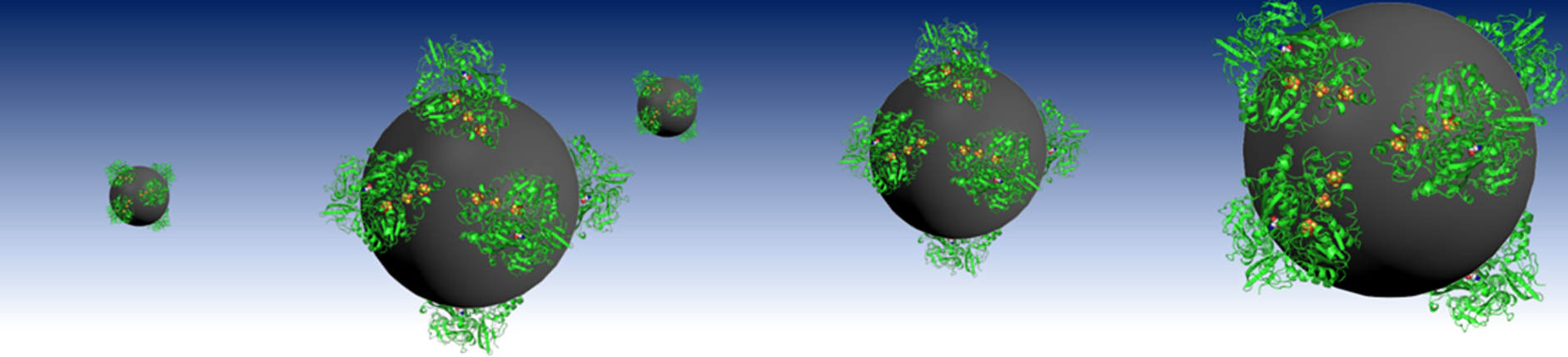
Structure-function-spectroscopy: mechanistic study of metalloenzymes
We are interested in the mechanism of metalloenzymes that catalyse the transformation of small gaseous molecules, including H2, N2, CO2 and O2. To study enzymes such as hydrogenase, nitrogenase and carbon monoxide dehydrogenase, we have developed a suite of methods that combine electrochemical control, spectroscopy and advanced crystallography.
We have shown that the redox state of enzymes within single crystals can be modulated using electrochemistry, allowing us to select precise oxidation states for structural study. For NiFe hydrogenases, this has allowed us to structurally characterise all redox levels relevant to catalysis. For nitrogenase, it has allowed us to catch structures of the electron-transfer P-cluster in 4 different redox states. Click here to read more.
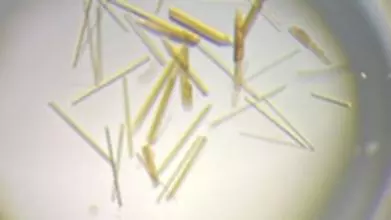
Beyond conventional synchrotron protein X-ray crystallography, we are exploiting serial crystallography at synchrotron beamlines and at X-ray Free Electron Laser (XFEL) sources for time resolved 'movies' of steps in enzyme catalysis. In conjunction with scientists at Diamond Light Source eBIC facility, we are also exploring whether microelectron diffraction (microED) can help us locate the catalytically-relevant protons during enzyme catalysis. This is funded by BBSRC/UKRI DEMO grant.
We apply Infrared, EPR and UV-visible spectroscopy in situ on single protein crystals to verify redox states and study reactivity in crystals.
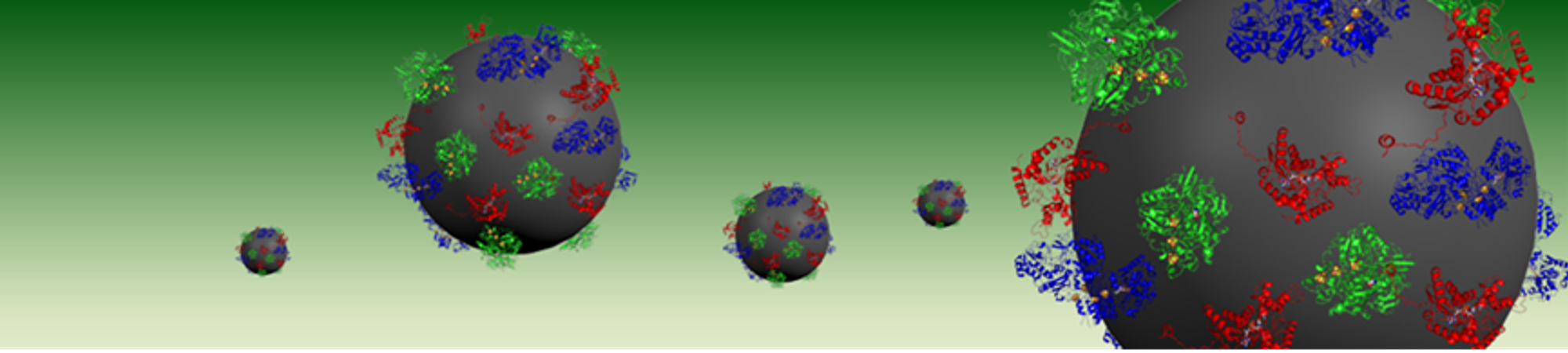
Applications of hydrogenases in Industrial Biotechnology
We have developed a series of applications of hydrogenases for H2-driven biocatalysis. These include hydrogenases 'plugged in' to carbon particles for selective hydrogenation of nitro compounds, or for recycling biological cofactors including NADH and reduced flavins. We are working on a range of chemo-bio catalyst systems with support from EPSRC SCHEMA Hub.
For these projects we have close industrial collaborations as well as many academic collaborators.